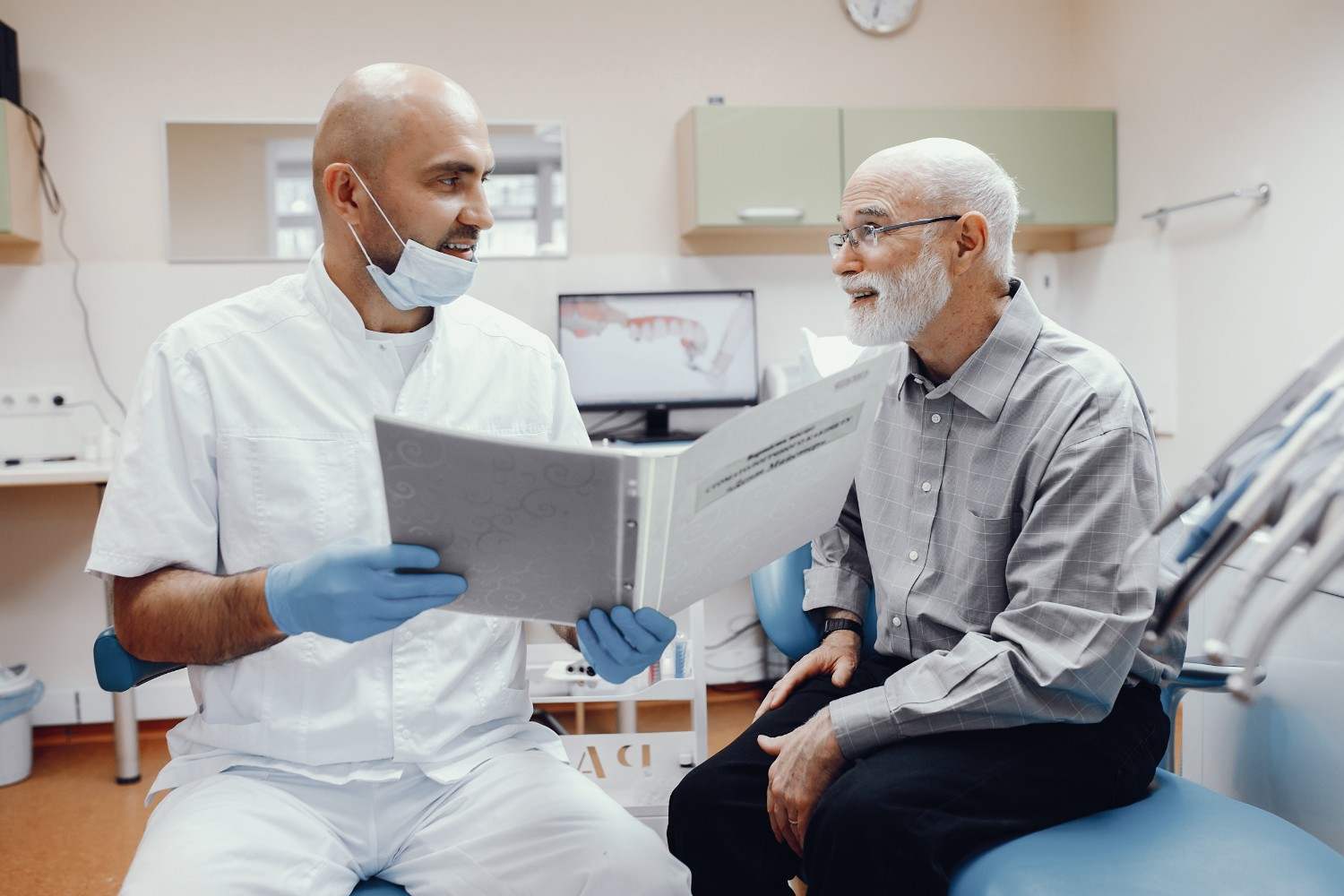
Cosmetic dental treatment can range from a small repair to a more noticeable change, and the best choice depends on oral health, personal priorities, and budget. Cosmetic dentistry in Sun City West may include professional whitening, dental bonding, or porcelain veneers, depending on your teeth’s condition.
Age alone does not rule out cosmetic care, but gum recession, tooth wear, dry mouth, existing restorations and medication use can affect suitability. A practical plan begins with an examination and prioritizes the improvements that matter most to you. The goal is a balanced result that respects comfort, function and financial priorities.
Start with oral health and personal priorities.
Before choosing a cosmetic procedure, have a dentist assess your teeth and gums. A review should consider decay, gum inflammation, recession, cracks, worn enamel, existing fillings and crowns, bite forces, and dry mouth. Some medications can reduce saliva, which may increase decay risk and make preventive care especially important.
Make a short list of the changes that matter most. You may want to brighten staining, repair a chipped edge, close a small gap, or improve the shape of a few teeth. Cosmetic dentistry for seniors covers many different goals; age itself does not determine which procedure is appropriate. Tooth and gum conditions matter more than a particular birthday.
Treating active decay or gum inflammation first may help protect the result and reduce the chance of needing further treatment soon afterward.
Professional teeth whitening for natural teeth
Professional whitening may lighten stains within natural tooth structure. It can help with discoloration associated with coffee, tea, tobacco, or aging. The degree of change varies with the original shade, stain type, product, and individual response.
Crowns, veneers, fillings, and dentures do not whiten in the same way as natural enamel. If these restorations are visible when you smile, whitening may create a color difference to consider before treatment. Replacement is not automatic; the existing restoration’s condition and function still matter.
Sensitivity and gum recession are also relevant. Exposed root surfaces can respond differently from enamel, so an assessment helps determine whether whitening is suitable and how to reduce avoidable irritation.
A more modest change may be preferable when a stronger approach is likely to cause discomfort. A dentist in Sun City West can review whether whitening is suitable and how to account for existing restorations.
Dental bonding for small repairs
Dental bonding uses tooth-colored composite material to repair selected chips, small gaps, and shape irregularities. It can be a conservative option when the surrounding tooth is healthy, and enough structure remains for a reliable bond. Dental bonding for older adults may be useful for a focused correction without preparing the tooth for a full-coverage crown.
Bonding can stain, chip, or wear over time, especially when it is exposed to heavy bite forces. Repair size, tooth position, and habits such as clenching or biting hard objects affect durability. It is not a substitute for a crown when a tooth is structurally weakened and needs broader protection.
Porcelain veneers and other restorative options
Veneers are thin restorations bonded to the front surfaces of selected teeth. They can change color, shape, and the appearance of minor spacing. Some enamel preparation is usually needed, and the amount depends on tooth position and the treatment design. Veneers are not simply a reversible whitening option, so the long-term commitment should be clear before treatment.
Choosing the right treatment between whitening, bonding, and veneers for seniors mainly depends on oral health needs. Whitening changes the shade of natural teeth; bonding repairs selected areas; veneers cover the front surface to change appearance. These treatments are not interchangeable, and one may be more conservative or better suited to a particular concern.
Consider a crown when a tooth needs structural protection because of extensive damage, a large restoration, or fracture risk. A bridge may replace a missing tooth using support from neighboring teeth or implants, depending on the design. These are restorative decisions, not simply cosmetic upgrades.
Plan treatment around your budget
You do not need to complete every cosmetic change at once. Separate essential dental care from elective improvements, then prioritize the concerns that matter most. A phased plan can address decay, gum problems, or damaged teeth first, then move on to cosmetic steps when appropriate.
For cosmetic dentistry near you, a useful consultation should include a written estimate explaining each recommended procedure, its purpose, and any alternatives. Costs can vary based on the material, number of teeth, laboratory work, and any needed pre-treatment. Verify dental plan benefits directly rather than assuming cosmetic procedures are covered.
Can a smaller smile refresh be enough?
A smile refresh after 60 can be modest. A cleaning, a repair to one chipped tooth, or replacing a failing restoration may make a meaningful difference without a full makeover. The goal is a result that fits your health, preferences, and financial comfort.
Choose improvements that fit your priorities.
A thoughtful cosmetic plan balances appearance, comfort, durability, and how much natural tooth structure is involved. You can prioritize one concern at a time and decide based on what your teeth need, rather than following a one-size-fits-all makeover.
Schedule a consultation with AZ Implant & Denture Center to review your oral health, goals, and suitable cosmetic options. A clear plan can help you focus on the changes that matter most while keeping long-term dental health in view.
FAQs
Is teeth whitening suitable for older adults with sensitive teeth?
It may be suitable, but a dentist should assess sensitivity and gum recession first. Exposed root surfaces can respond differently from enamel, and existing restorations will not lighten. A dentist can determine whether whitening is appropriate or another option better fits your needs.
Can dental bonding repair worn or chipped teeth later in life?
Bonding can repair selected chips, small gaps, and limited wear when enough healthy tooth structure remains. It may not adequately protect a heavily weakened tooth. Bite forces, repair size, and habits such as clenching affect its suitability and durability. Individual suitability still matters.
Do veneers require removing natural tooth structure?
Usually, some enamel is reshaped to create room for the veneer and allow a suitable fit. The amount varies with tooth position and design. Because enamel does not grow back, discuss the planned preparation and whether a less invasive option could meet your goal.
Can crowns or fillings be whitened?
No. Whitening products change the color of natural tooth structure, not most crowns, fillings, or veneers. Natural teeth may become lighter while existing restorations retain their original shade. Plan the sequence with those restorations in mind; replacement is not automatic.
Can a dentist near me help plan cosmetic treatment in stages?
Yes. A dentist can review your oral health, identify any concerns that need attention first, and explain which cosmetic changes are suitable. A phased plan may spread treatment over time, helping you prioritize the improvements that matter most without committing to every procedure at once.